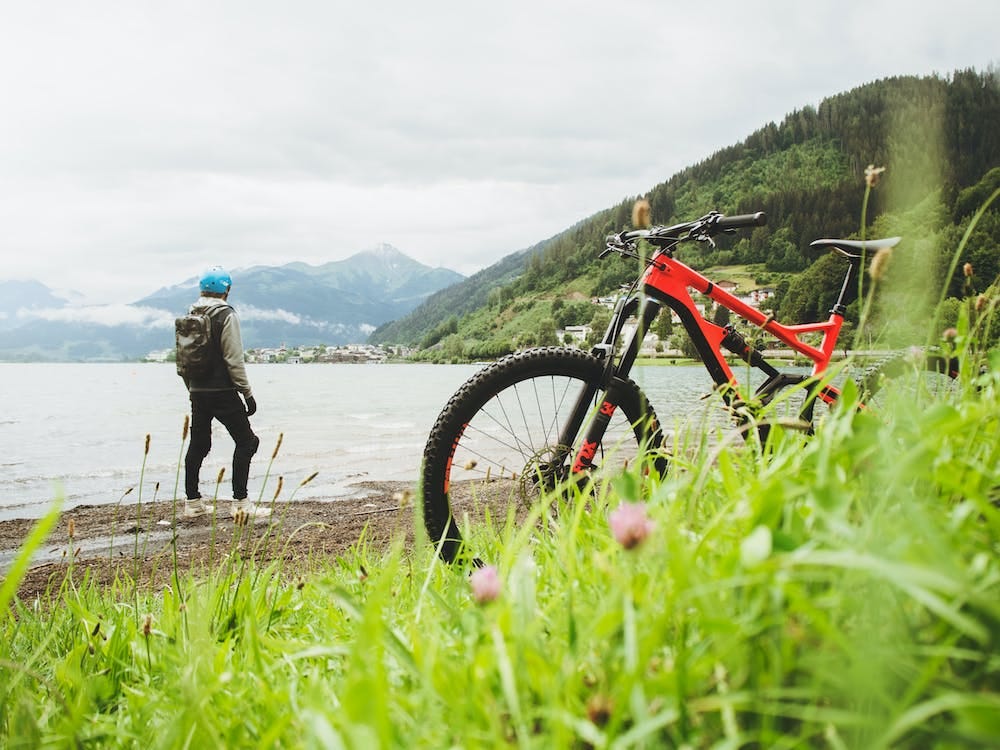
Gravel racing has experienced remarkable growth in recent years, attracting cyclists who appreciate a unique blend of competitive racing, outdoor adventure, and exploration. The discipline combines the camaraderie often found in road cycling with the rugged, adventurous spirit of mountain biking. As per Steven Rindner, gravel biking allows riders to discover scenic back-roads and remote landscapes that are often inaccessible through traditional cycling routes.
Steven Rindner Sheds Light on How to Train for the First Gravel Race
Although gravel biking is known for its relaxed and welcoming culture, newcomers should not underestimate the physical and mental challenges involved. Proper preparation can significantly influence whether a rider simply endures their first event or genuinely enjoys the experience.
One of the most important aspects of gravel race preparation is developing endurance through extended time on the bike. Gravel races can range from relatively short events of around 30 miles to ultra-endurance races exceeding 200 miles. Many beginner-friendly races typically fall between 40 and 80 miles, making endurance training a primary focus.
A successful training plan often begins with easy aerobic rides designed to build a strong fitness foundation. Cyclists who currently ride several times per week can gradually extend one weekly ride by 15 to 30 minutes until they are comfortable spending as much time on the bike as the target race will require. The objective is not speed but rather the development of cardiovascular efficiency, muscular endurance, and mental resilience. Long training rides also help riders become accustomed to remaining comfortable in the saddle for extended periods.
General cycling fitness alone is not enough to ensure success in a gravel race. Riders benefit greatly from dedicating at least one training session each week to gravel roads or mixed-surface routes. They must focus on:
- Bike handling on loose surfaces: Cyclists should practice riding on a variety of gravel surfaces, ranging from smooth hard-packed roads to loose, chunky stones. This helps build confidence and teaches riders how to distribute weight effectively, maintain balance, corner safely, and preserve momentum without losing traction.
- Power modulation: Gravel terrain requires frequent adjustments in effort. Riders must learn when to apply power aggressively and when to ease off to avoid wheel spin. Practicing short surges on climbs and maintaining a controlled rhythm on varying surfaces helps improve efficiency and energy conservation during races.
- Line choice: Line selection becomes increasingly important on technical sections of a course. Experienced gravel riders learn to identify smoother, faster, and safer routes through rough terrain. Developing this skill during training enables riders to make better decisions during races, particularly when fatigue begins to affect concentration.
Gravel biking places greater demands on the upper body and core than traditional road riding. Constant vibrations from rough terrain and the need to control the bicycle on uneven surfaces can fatigue muscles that may not be heavily engaged during regular road rides. Incorporating functional strength training into a weekly routine can improve comfort, stability, and overall performance. As per Steven Rindner, even short strength-training sessions lasting 15 to 20 minutes, performed two or three times per week, can provide noticeable benefits during long gravel events.
About the Author